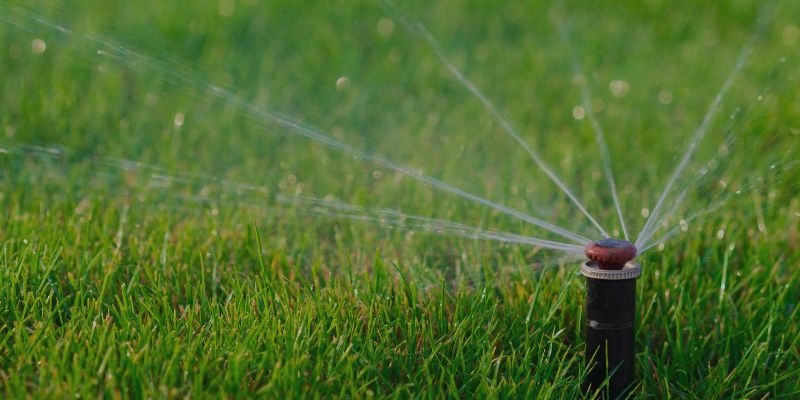
Installing a new underground sprinkler system? Have questions? Heinen has the answers.
An automated irrigation system is a major upgrade – and major investment! – for many homeowners. That’s why the irrigation specialists at Heinen always take time during that first consultation to answer any and all questions. Exactly how will the system function? How much water will it use? Does the system require maintenance? And more!
Whatever the questions, Heinen has the answers. These are the five most frequently asked questions that the team receives:
1. What are the top benefits of an irrigation system?
There are four major benefits to installing an automated irrigation system: more free time for homeowners, healthier plants and lawns, convenience, and cost savings. Altogether, these benefits make an automated irrigation system that makes lawn and landscaping maintenance more efficient and all but hands-free.
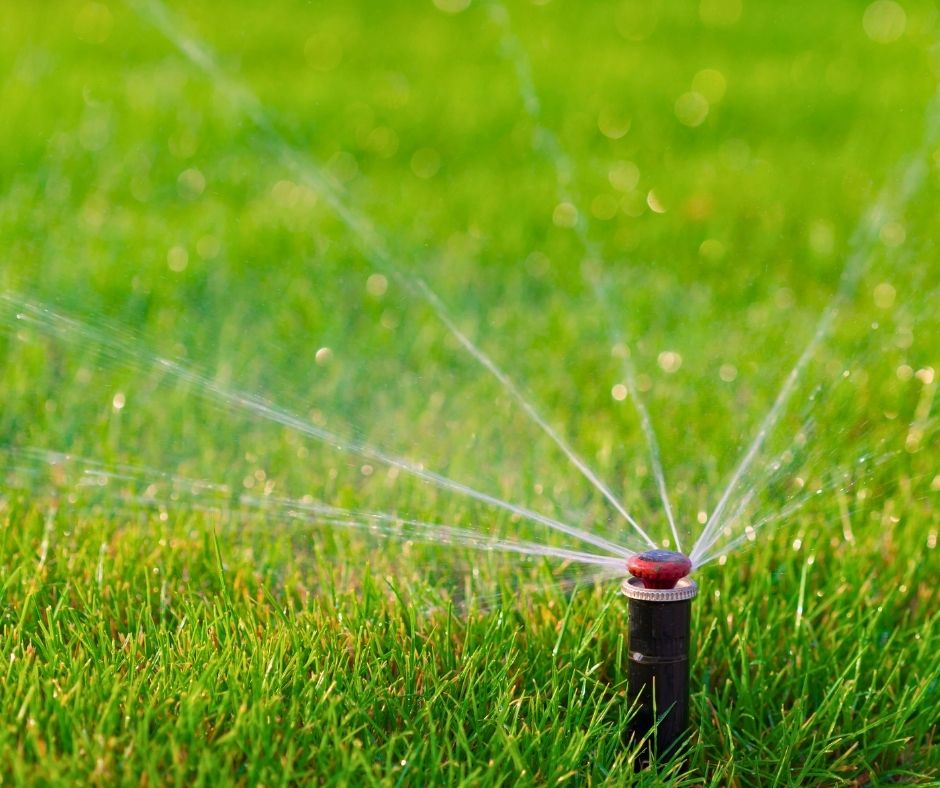
With an automated irrigation system, maintaining your lawn and landscaping efficiently becomes virtually hands-free.
More free time – From day one of operation, the new irrigation system immediately gives homeowners time that they had lost every week watering by hand or moving around a hose attachment from the hardware department of a big-box store, usually around 20 minutes for the average-sized lawn.
Healthier plants and lawns – The controlled watering that an automated irrigation system delivers helps turf and plantings develop strong, resilient root systems that give them the strength to not just survive, but thrive in our region’s extreme weather conditions.
Convenience – No more early-morning waterings to beat the heat before the sun gets too high and hot, or worrying about coming back from vacation to a dry, patchy lawn. An automated irrigation system eliminates that tiresome task and makes maintenance headaches a thing of the past.
Cost savings – An automated irrigation system can drastically reduce water usage over time compared to hand watering. That not only saves $$$ on monthly water bills, but healthy and hydrated plants don’t need to be replaced or require constant treatment with fertilizers and pesticides.
2. What is the typical lifespan of an underground irrigation system?
The lifespan of an automated irrigation system depends on the quality of installation, the parts used, and maintenance. On average, the typical home system lasts around 20 years, but with regularly scheduled maintenance and service by professionals, a high-efficiency system can last well beyond that.
Also, irrigation systems seldom need to be replaced entirely. Usually, individual components may need repair or replacement from time to time. The hardiest part of a system is the underground PVC piping, and if it is installed properly, it generally lasts the longest. Sprinkler heads and controllers usually need to be replaced sooner, but just as with any mechanical system, proper maintenance and prompt replacement of worn parts with new, upgraded ones help maintain the system as a whole and extend its lifespan significantly.
Obviously, how well a system is monitored plays an important role, too. Sprinkler systems must have proper water pressure to operate at maximum efficiency. Pressure levels that are too high or too low strain the system, accelerating component wear and breakdowns. Heinen Irrigation recommends two yearly maintenance checks, one in the spring and another in the fall, to ensure that each part of the system is functioning properly and that water pressure levels remain adequate. This is the best and most reliable way to not only keep any irrigation system at peak performance throughout its lifetime, but extend that lifetime to its maximum.
3. Do sprinkler systems use more water than hand watering?

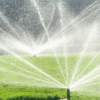
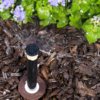
Advanced nozzles and sprayers from manufacturers like Hunter slow the rate of water to allow for better absorption and less water waste.
As a rule, sprinkler systems do not use more water than hand watering. Advanced nozzles and sprayers from manufacturers such as Hunter control water flow, which allows for better absorption and reduces water waste. Today’s high-efficiency sprinkler systems utilize advanced technology and innovative irrigation components to manage and save water for overall efficiency and subsequent cost savings.
Smart controllers and sensors control watering sessions, so they are prompted only when necessary, and cutting-edge sprayers and nozzles slow water flow for better dispersion that allows soil to absorb the water, rather than letting it run off and be wasted. Timing is key to saving water, too. Scheduling the system to operate in the early morning hours, just before sunrise, gives water time to reach root systems before it evaporates. All of these factors work together to stretch every drop of water instead of stretching homeowners’ budgets.
4. What are irrigation zones?
Irrigation zones are specific sections of the property that irrigation specialists at Heinen identify, then determine the appropriate amount of water that each one of those zones receives. Most homes do not have enough water pressure to run every sprinkler on the property at the same time. By dividing the ground into zones, each zone benefits from receiving the precisely calculated amount of water it needs, which allows the sprinkler heads and sprayers to distribute water when and where – some here, some there, and at varying lengths of time – as needed.
To determine irrigation zones, irrigation designers consider the sun, shade, soil, and plant types to identify which spots are in full sun for most of the day, which will have different watering needs than those in partial or full shade. Turf and plant bed zones often have very different watering needs, for instance, so zoned irrigation provides the control needed to match each area’s specific needs. In short, zoned irrigation customizes water distribution among zones, reducing water waste while improving the overall health of the property’s lawns, trees, and plants.
5. Are automated sprinkler systems complicated to operate?
Today’s automated sprinkler systems are not only more efficient, they are easier to use. Wi-Fi-enabled sprinkler controllers let homeowners monitor water usage, adjust schedules, and receive an alert when a system component requires attention. These smart controllers are also packed with automations that minimize effort and maximize convenience. Controllers like the Rachio 3 are linked with a vast network of National Weather Service stations, gathering hyper-local weather conditions in real time and using that data to determine if watering sessions should be increased, delayed, or skipped altogether. Modern irrigation systems also utilize a wide range of sensors to monitor other conditions, such as wind and soil, to optimize watering schedules even more effectively.
KC’s Leading Sprinkler System Installers – Heinen Irrigation!
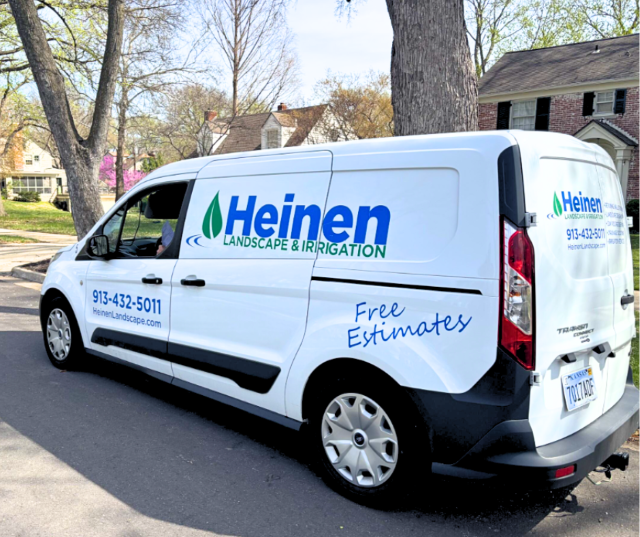
Heinen Irrigation has installed and maintained Kansas City residential and commercial irrigation systems for over 35 years!
Automated sprinkler systems are complex, high-tech tools, but as KC’s most reliable team, Heinen’s seasoned irrigation professionals have the long-term experience that gives homeowners peace of mind throughout the design, configuration, and installation of a system expertly tailored to meet the needs of any property. And to make sure that turf and landscaping stay perfectly hydrated all year long, Heinen specialists regularly provide programming assistance and maintenance to keep their systems performing at peak levels for years to come.