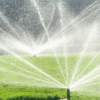
Sprinkler control systems with smart technology add benefits far beyond automated scheduling. The smart components work together to create efficiencies that save homeowners money and keep landscapes healthy year-round.
Components of a Smart Irrigation System
All underground watering systems are comprised of a similar array of parts and components, such as sprinkler heads, controllers, valves, pipes, and so on. Although parts and components may have similar names, they can be quite different. Advances in irrigation technology include more than just the control system; the individual parts and components have advanced as well. Used in combination, system designers can significantly reduce water waste every time the system is used (and even on days when the system is not in use!) Saving water lowers utility bills without compromising the health of lawns, gardens, and plantings. The best news? All of this can be achieved without any additional effort from the homeowner!
Smart Controllers

The primary component for updating a sprinkler system and improving efficiency is utilizing a smart controller. All systems have some form of controller – historically, these were primarily a timer that activated sprinklers according to a preset schedule for set durations, regardless of any other factors (such as weather – a rainy day might also have been a scheduled watering day, decreasing the need for more irrigation that might result in overwatering grass and other plantings).
That’s where smart controllers like the popular Rachio 3 or the intuitive Hunter Pro-HC come in. Both use Wi-Fi connections to receive real-time weather data from local weather observation stations from the National Weather Service to anticipate rainfall and adjust watering schedules accordingly. No more sprinklers turning on during rainstorms!
Smart controllers also monitor overall system health. Technology-driven controllers detect leaks by noting changes in system pressure and can also identify electrical issues, such as wiring shorts, that may affect how the valves operate. Catching issues in a sprinkler system early is key to avoiding costly spikes in water usage or landscape damage from over- or underwatering for extended periods of time.
With all their technology, one might think smart controllers are hard to operate – on the contrary, smart controllers are easy to use. Intuitive smartphone apps allow homeowners to monitor water usage, adjust watering schedules in real time, and receive system alerts via the internet from anywhere, at any time. Being able to access a system remotely means homeowners don’t have to worry about physically starting or stopping their system, making precise water management even more convenient.
Sensors
Smart controllers are already powerful water-saving tools, and they can be made even more effective when coupled with smart sensors. The controller is the “brain” of a sprinkler system, and sensors provide it with even more detailed information, making for better decision-making and more efficient water usage.
There are several sensors now available that can benefit irrigation systems. The unique features and environment of specific properties determine which sensors are the most effective. Soil sensors, for example, take exact measurements of how much water turf and plantings receive. Heavy rainstorms prompt soil sensors to inform the controller that the ground is adequately saturated and that the next watering session can be delayed or skipped altogether. Other sensors monitor sunlight exposure, humidity, and even air temperature to fine-tune water schedules even further throughout the day.
Sprinkler Heads
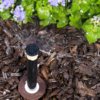
Upgrading dated sprinkler heads to include more advanced nozzles and sprayers can have a big impact on an irrigation system’s efficiency and longevity.

Sprinkler nozzles like the Hunter MP Rotator make it easy to customize irrigation systems for peak efficient performance.
New generations of sprinkler heads deliver water much more precisely than previous models – reducing waste caused by overspray on driveways and sidewalks and preventing overwatering that can lead to runoff and turf erosion. Leading manufacturers of irrigation components continually improve the design and construction of sprinkler heads in any number of ways, including:
- High-Uniformity Spray, which provides even coverage to prevent over-or underwatering of different areas within an irrigation zone.
- Adjustable Arcs and Spray Patterns that allow designers to customize water distribution for each zone of a property based on factors that include plant type, soil type, sun exposure, and more.
- Increased Durability through ongoing improvements in the materials used to construct irrigation components that improve strength and longevity, including features that prevent the buildup of debris.
- Low Precipitation Spray Heads that give water plenty of time to be absorbed into more dense soil, preventing runoff and water waste.
 Get More from Your Sprinkler System with Heinen Irrigation!
Whatever a sprinkler system’s age, the irrigation professionals at Heinen can usually provide the upgrades needed to add new smart irrigation technology to the system – allowing homeowners to start saving water – and money!
Heinen Landscape and Irrigation has designed, installed, maintained, and upgraded sprinkler systems for homeowners and businesses throughout the Kansas City area for over 35 years. The irrigation pros at Heinen have the expertise, experience, and ability to enhance the efficiency, coverage, and performance of most any existing system – or, depending on the customer’s needs, to plan and install an all-new system.